Upgrading or replacing a furnace is a significant investment for any homeowner, one that directly impacts comfort, energy efficiency, and long-term heating costs. While it might seem like a straightforward task, professional furnace installation involves a series of precise steps that ensure the system operates safely, efficiently, and reliably for years to come. Understanding what to expect during this process can reduce stress, set realistic expectations, and help homeowners make informed decisions about their heating system.
Furnace installation is more than just swapping an old unit for a new one. It involves careful planning, accurate sizing, professional handling of gas or electrical connections, and adherence to building codes and manufacturer specifications. Many homeowners underestimate the complexity of the process, leading to costly mistakes, safety hazards, or suboptimal performance. By knowing the stages of installation—from initial assessment to final testing—you can approach the project with confidence, ensure your home remains comfortable, and maximize the lifespan and efficiency of your new furnace.
1. Pre-Installation Assessment: The Foundation of Success
Before any equipment is delivered or installed, a professional technician will conduct a thorough pre-installation assessment. This step is crucial because it determines the proper furnace type, size, and configuration needed for your home. A mismatch in furnace sizing can result in inadequate heating, higher energy bills, or premature wear on the system.
Home Evaluation and Ductwork Inspection
During the assessment, the technician evaluates your home's size, layout, insulation, and existing ductwork. They may perform a Manual J load calculation, a standard method used to measure your home's heating and cooling needs accurately. Inspecting ductwork for leaks, blockages, or outdated materials ensures that the new furnace will distribute heat evenly throughout the home, preventing cold spots and energy waste.
Safety Checks and Compliance
A pre-installation assessment also includes safety evaluations, such as checking for proper ventilation and clearance around the furnace area. Professionals ensure that the installation complies with local building codes and manufacturer guidelines. This step is vital not only for operational efficiency but also for preventing potential hazards like carbon monoxide leaks or fire risks.
2. Selecting the Right Furnace: Efficiency Meets Comfort
Choosing the right furnace is more than picking the latest model. Efficiency, fuel type, and heating capacity all play a significant role in your home's comfort and long-term energy savings.
Fuel Options and Efficiency Ratings
Furnaces commonly run on natural gas, propane, or electricity, each with distinct advantages. Gas furnaces tend to offer higher efficiency and lower operating costs, whereas electric furnaces are easier to install in homes without gas lines. Modern units often feature high Annual Fuel Utilization Efficiency (AFUE) ratings, which indicate how effectively the furnace converts fuel into heat. Higher efficiency models reduce energy bills and provide a more consistent indoor temperature.
Proper Sizing for Optimal Performance
Selecting a furnace that matches your home’s specific requirements is critical. An oversized furnace can cycle on and off too frequently, causing uneven heating and increased wear on components. Conversely, an undersized unit may struggle to maintain comfortable temperatures during extreme weather. Professional installers rely on detailed calculations and past experience to determine the correct size, ensuring maximum performance and efficiency.
3. Installation Day: Step-by-Step Process
Installation day marks the culmination of planning and preparation. Professional technicians follow a precise process to ensure that the furnace functions safely and efficiently.
Positioning and Securing the New Furnace
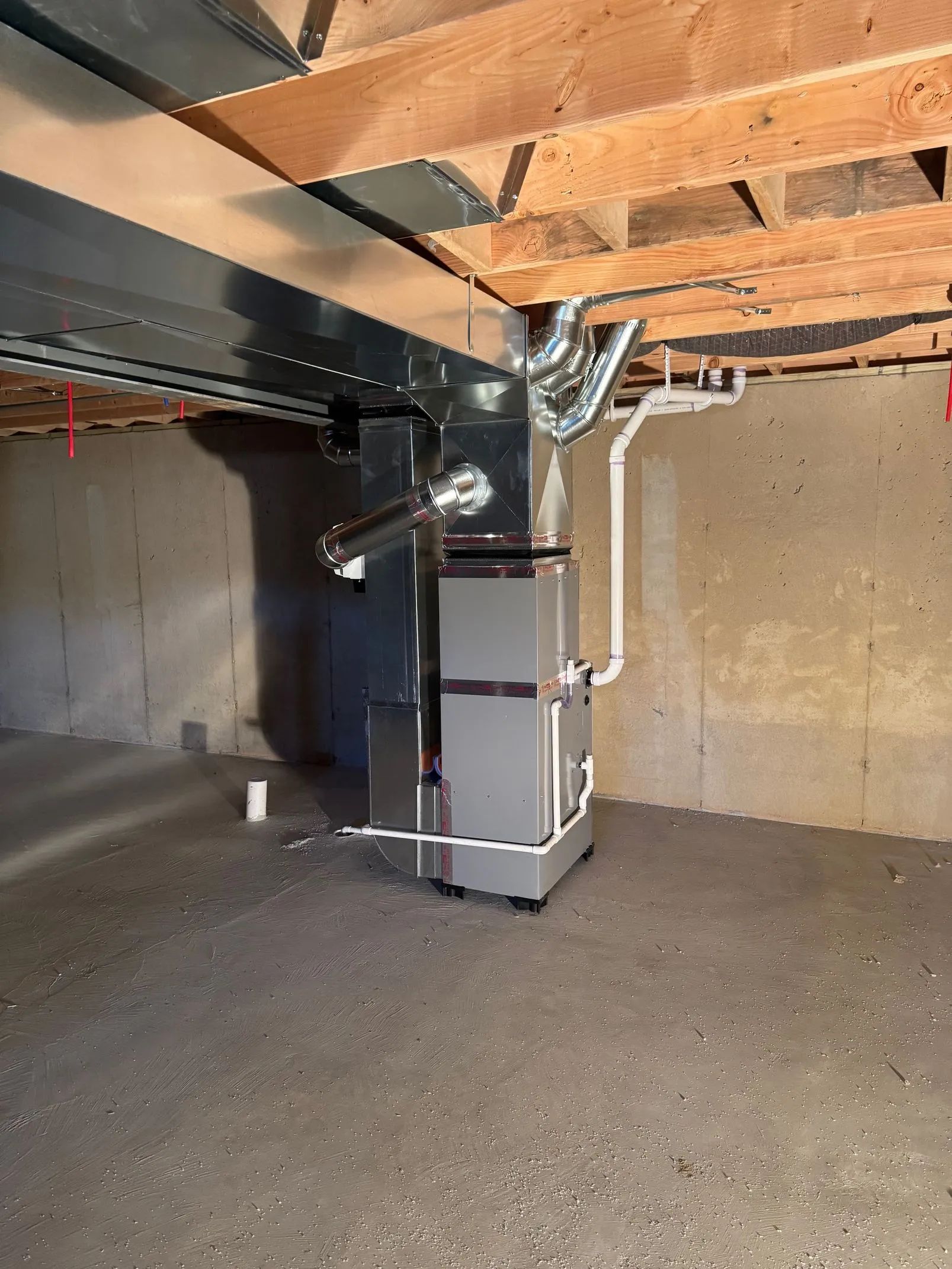
Next, the new furnace is carefully positioned, leveled, and secured. Proper placement ensures optimal airflow, safety clearances, and accessibility for future maintenance. Some installations may require minor modifications to the floor, walls, or ductwork to accommodate the new unit.
Electrical and Gas Connections
Certified technicians then connect the furnace to electrical circuits and fuel sources. Gas furnaces require precise connections and pressure checks to prevent leaks, while electric models require proper wiring and voltage verification. These connections are critical for safe operation and efficiency.
Ductwork and Venting Integration
Integration with existing ductwork or new ventilation components follows. Technicians seal joints, insulate ducts, and ensure that air flows smoothly throughout the home. Venting for exhaust gases is also checked to prevent harmful fumes from entering living spaces.
4. System Calibration and Testing: Ensuring Reliable Operation
Once the furnace is installed, it undergoes thorough calibration and testing to confirm proper performance.
Startup and Operational Checks
Technicians power on the system, observing startup sequences and blower operation. They check thermostats, control boards, and safety devices to ensure the furnace responds correctly to heating demands. These operational checks detect any potential issues before they affect comfort or safety.
Combustion and Efficiency Testing
For gas furnaces, combustion analysis may be performed using specialized instruments. This test measures carbon monoxide levels, flame characteristics, and exhaust temperatures to ensure safe and efficient operation. Proper combustion not only protects your family but also maximizes fuel efficiency.
Temperature Balancing and Airflow Optimization
Technicians monitor temperature distribution throughout the home, adjusting airflow and dampers as necessary. This step ensures each room receives adequate heating and that the furnace operates within optimal parameters, minimizing energy waste.
5. Post-Installation Guidance: Maintaining Performance
A professional furnace installation does not end when the system powers on. Post-installation guidance ensures homeowners understand how to operate and maintain their new system effectively.
Instruction and System Walkthrough
Installers provide a detailed walkthrough of furnace controls, thermostat settings, and safety features. They explain energy-saving tips, routine maintenance requirements, and troubleshooting basics. This guidance empowers homeowners to manage their heating system efficiently while preventing unnecessary service calls.
Maintenance Recommendations
Regular maintenance is key to prolonging the furnace’s lifespan and maintaining efficiency. Professionals often recommend annual inspections, filter changes, and cleaning of burners and coils. Following these guidelines reduces the risk of breakdowns and ensures the system runs at peak performance throughout its lifespan.
6. Common Challenges and How Professionals Address Them
Even with careful planning, furnace installations can encounter challenges. Understanding these common issues helps homeowners appreciate the value of professional expertise.
Structural and Space Limitations
Older homes or unconventional layouts may present challenges for furnace placement and ductwork. Professionals can adapt installation plans, fabricate custom duct transitions, or make minor structural modifications to ensure proper airflow and safe operation.
Unexpected Repair Needs
During pre-installation assessment, technicians may discover issues such as deteriorating ductwork, gas leaks, or electrical problems. Addressing these before or during installation prevents future failures and ensures the system operates reliably.
Scheduling and Weather Considerations
Furnace installation is often time-sensitive, particularly in regions with extreme winters. Experienced contractors plan efficiently, account for supply availability, and schedule installations to minimize disruption and guarantee timely heating.
7. Long-Term Benefits of Professional Furnace Installation
nvesting in professional installation pays off through efficiency, safety, and comfort. A correctly sized and installed furnace ensures even heating, lower energy bills, and fewer repairs over time. Additionally, professional installation preserves manufacturer warranties, providing financial protection in case of defects or issues.
Energy Efficiency and Cost Savings
High-efficiency furnaces installed correctly can reduce heating costs significantly. Optimized ductwork and proper calibration prevent energy loss, allowing homeowners to enjoy a warmer home at a lower monthly cost.
Safety and Reliability
Professional installations prioritize safety by adhering to code requirements, performing combustion testing, and verifying gas or electrical connections. This diligence minimizes risks such as carbon monoxide leaks, fire hazards, and system malfunctions.
Enhanced Home Comfort
Beyond safety and efficiency, professional installation ensures consistent indoor temperatures, better air quality, and quieter operation. Homeowners experience immediate comfort improvements, particularly during extreme weather conditions.
8. Trusted, Expert Furnace Services You Can Rely On
Furnace installation is a complex process that requires specialized knowledge, experience, and attention to detail. From accurate sizing to careful integration with existing systems, professional technicians ensure your new furnace performs safely, efficiently, and reliably for years to come. Understanding the steps involved—from pre-installation assessments to post-installation maintenance—empowers homeowners to make informed decisions and maximize the value of their investment.
Trusted Experts Delivering Professional Furnace Installations Daily
Installing a new furnace is more than a simple replacement—it is an investment in comfort, safety, and long-term energy efficiency. By understanding the process, from initial assessment and furnace selection to installation, calibration, and maintenance guidance, homeowners can anticipate what to expect and avoid common pitfalls. Professional installation ensures that your system operates efficiently, delivers consistent heating, and meets all safety standards, ultimately protecting both your home and your family.
At North Wind Heating & Air Conditioning, Inc, we bring over 35
years of experience in providing reliable heating and cooling services to homeowners in Clinton Township, Michigan. Our team prioritizes precise installation, thorough testing, and expert guidance to ensure every furnace we install delivers optimal comfort and efficiency. With decades of expertise, commitment to safety, and a reputation for trustworthy service, we help our clients enjoy worry-free home heating while maximizing energy savings and long-term performance.