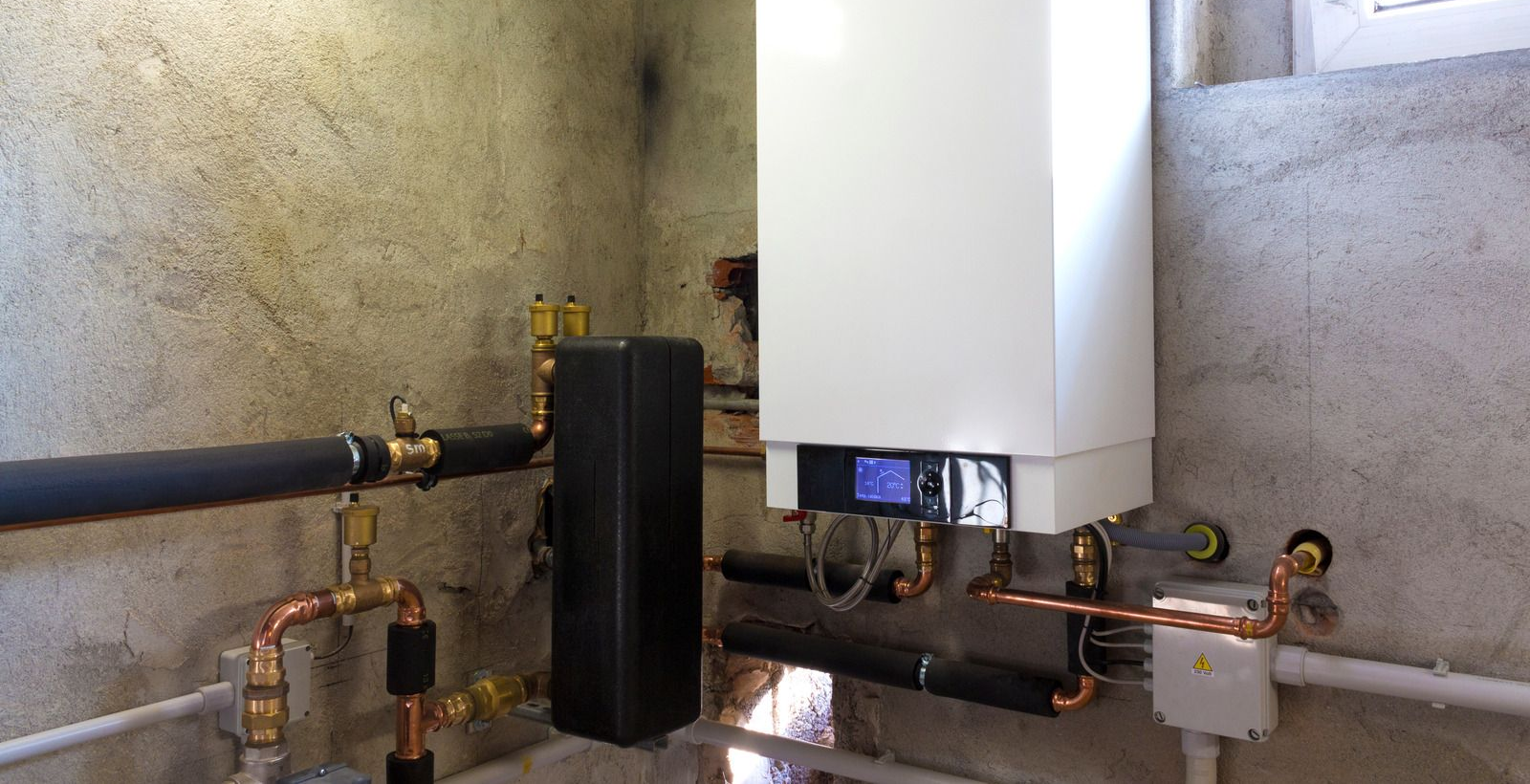
Quick Answer: A boiler that keeps losing pressure is almost always losing water somewhere, even if you can't see it. The usual suspects are a weeping pressure relief valve, a waterlogged or failed expansion tank, a pinhole leak in a pipe or radiator, or an autofill valve that's stuck or worn out. Most residential hydronic boilers should hold steady between 12 and 15 psi cold, then climb to roughly 20-25 psi while running. A slow drop over weeks usually points to a small leak or a tired expansion tank. A sudden drop to zero usually means a valve failed or a line let go. Either way, repeatedly adding water without fixing the cause wears the system down faster.
You top off the boiler on a Tuesday. By the following weekend, the needle has drifted back toward the red zone again. Or maybe it's faster than that — you bleed a radiator, the pressure holds for a day, then slides right back down. If you've added water to the system more than once or twice this heating season, something is letting water, or the air charge that manages it, escape. Worth figuring out before the boiler shuts itself down on a cold night.
Hydronic boilers show up a lot in the older housing stock around Detroit and Macomb County — homes with radiators or baseboard heat, built decades before forced-air furnaces became the default. These systems are sealed and pressurized on purpose. When pressure holds steady, water moves through the pipes and radiators the way it's supposed to. When it doesn't, the system is telling you something specific has gone wrong. Not just that it's old.
WARNING: If you smell gas, see soot near the burner, or your carbon monoxide alarm sounds, stop, leave the house, and call for emergency service. A cracked heat exchanger or bad combustion can push carbon monoxide into your living space.
TIP: Photograph the pressure gauge and any leak before touching anything. That one image often tells us whether you have a quick fix or a failing body, and it can save a return trip.
What Normal Boiler Pressure Looks Like
Most residential hot-water boilers sit between 12 and 15 psi when the system is cold and the burner hasn't run recently. Once the boiler fires and the water heats up, that number climbs, usually into the 20-25 psi range, because heated water expands and needs somewhere to go. Absorbing that expansion is the whole job of the expansion tank.
A drop below 12 psi is where you should pay attention. Many boilers include a low-pressure cutoff that stops the burner from firing once pressure falls too far — a safety measure that also protects the heat exchanger from running dry. Lukewarm radiators or a boiler that won't fire at all? Check the gauge first, before touching anything else.
Climbing pressure is its own separate problem. If the needle regularly pushes past 25-30 psi while the system runs, that points toward an autofill valve stuck open or a failed expansion tank pushing things the wrong direction. The fix for high pressure isn't the fix for low pressure, and guessing wrong just wastes a service call.
The Usual Suspects Behind a Dropping Gauge
A Weeping Pressure Relief Valve
This valve exists purely as a safety device — it opens automatically if pressure climbs too high, releasing a bit of water to protect the boiler. Over years of service, mineral deposits and debris can keep the valve seat from closing completely. Once that happens, it may drip continuously even at normal pressure, causing the system to lose water gradually. Check the discharge pipe near the valve for dampness, staining, or active dripping.
A Waterlogged Or Failed Expansion Tank
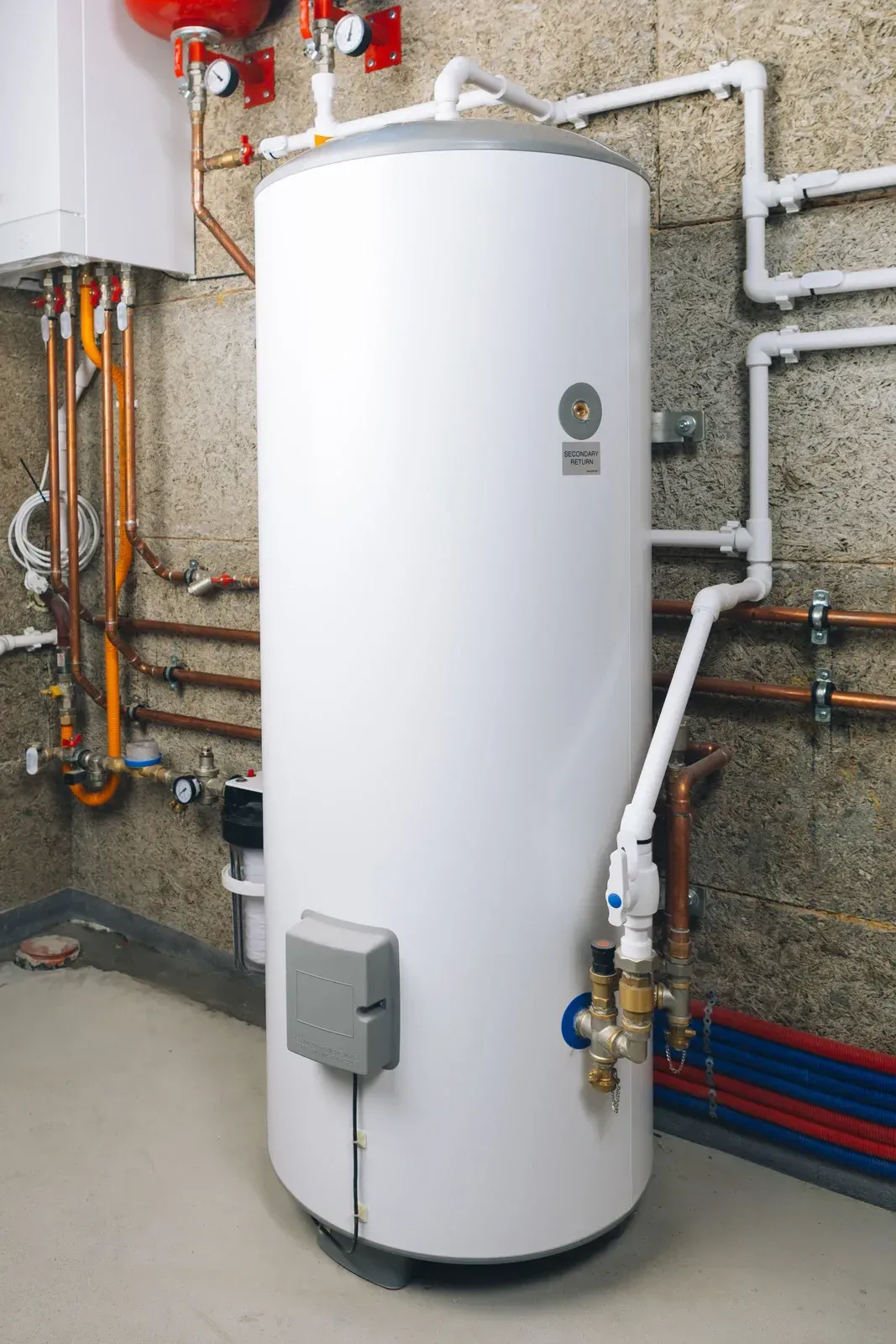
The expansion tank is a sealed vessel near the boiler, with an internal air bladder or diaphragm separating air from system water. That air cushion absorbs the extra volume created when water heats and expands. When the diaphragm fails or the air charge is lost, the tank can become waterlogged. The relief valve may then open repeatedly, causing pressure to fall after the system cools.
Pinhole Leaks In Pipes, Radiators, Or The Tank Itself
Small pinhole leaks can be difficult to spot until significant water loss has occurred. Internal corrosion can create openings smaller than a pencil tip, allowing water to escape slowly enough that it evaporates before forming a puddle. Watch for mineral deposits, rust-colored rings around joints, damp flooring, corrosion, or musty odors. Older Detroit-area systems may develop leaks around threaded connections, valve stems, and areas where different metals meet.
A Malfunctioning Autofill Valve
Most hydronic systems have an automatic feed valve that adds water when pressure falls below a set level. When working properly, it maintains system pressure without much attention. If it fails, however, it may stop feeding completely or remain partially open. A stuck valve can mask an underlying leak while allowing pressure to rise excessively during heating, making diagnosis more difficult and potentially creating additional problems.
Trapped air working its way out is the least worrying cause on this list. After service work, a refill, or normal seasonal cycling, air pockets can settle in radiators or high points in the piping. As that air bleeds out, whether through automatic air vents or a radiator you bled by hand, pressure can dip slightly as a normal, temporary adjustment. Usually a minor, short-lived drop, not the slow, steady decline that points to a real leak — but it's worth ruling out before you assume the worst.
TIP: Keep a simple log for two weeks. Note the gauge reading once a day, roughly the same time each day. A pattern — steady daily drop, one sudden fall, or barely any change — tells a technician a lot before they even open the boiler cabinet, and it can shorten the diagnostic visit considerably.
TIP: Photograph the pressure gauge and any leak before touching anything. That one image often tells us whether you have a quick fix or a failing body, and it can save a return trip.
What You Can Safely Check Yourself
A few checks don't require tools or touching the pressurized side of the system. They can narrow things down before you call for service.
Look at the gauge trend, not just today's number. A single low reading after a cold snap or a recent bleed isn't automatically a problem. A gauge that needs topping off every week or two is.
Walk through visible piping with a flashlight. Basements, utility closets, and areas around radiators are worth checking for staining, corrosion, or dampness. Pinhole leaks are easy to miss under regular lighting.
Check the relief valve discharge pipe. It should be dry. Any moisture, mineral buildup, or a faint dripping sound means the valve needs professional attention.
Tap the expansion tank. Hollow on the upper section is normal. Dull and solid everywhere means it's likely waterlogged and no longer doing its job.
Note whether the drop tracks with the boiler running. Pressure that only falls while the heat is actively cycling points more toward the relief valve or expansion tank. Pressure that falls steadily whether the boiler runs or not usually means a leak somewhere in the piping.
WARNING: Don't attempt to adjust, disassemble, or bypass the pressure relief valve, the autofill valve, or any pressurized component of the boiler yourself. These are safety devices on a system that combines pressurized hot water with combustion equipment, and improper handling can cause water damage, scalding, or turn a minor repair into a full component replacement. Not sure what you're looking at? Stop and call a technician instead of guessing.
WARNING: If you smell gas, see soot near the burner, or your carbon monoxide alarm sounds, stop, leave the house, and call for emergency service. A cracked heat exchanger or bad combustion can push carbon monoxide into your living space.
TIP: Photograph the pressure gauge and any leak before touching anything. That one image often tells us whether you have a quick fix or a failing body, and it can save a return trip.
When It's Time to Call a Technician
A single low reading after a long cold stretch, corrected with a small amount of added water, usually isn't cause for concern. What warrants a service call is a repeating pattern: pressure that needs restoring more than once every few weeks, a relief valve that's visibly weeping, a tank that sounds or feels waterlogged, any sign of active water on the floor near the boiler, or a boiler shutting itself down on a low-pressure lockout during the coldest part of winter.
Diagnosing which component actually failed means pressure-testing the system, isolating sections of piping, and sometimes pulling the expansion tank to check the air charge directly. That's work beyond a homeowner-level check. A technician working through the system methodically can usually isolate the source in one visit, rather than you topping off water week after week and hoping it resolves on its own.
Frequently Asked Questions
Is it normal to add water to a boiler occasionally?
A small top-off once or twice per heating season, especially after maintenance or a very cold stretch, isn't unusual. Needing to add water every week or two points to an underlying leak or a failed expansion tank, not normal system behavior.
Can low boiler pressure damage the system?
Yes. Most boilers include a safety cutoff that stops the burner once pressure drops far enough, but running the system at chronically low pressure before that point can strain the circulator pump and, in some cases, let the heat exchanger run without enough water flow.
Why does my boiler pressure rise when the heat is running, then fall once it cools?
Normal expansion and contraction. Heated water takes up more volume, so pressure rises temporarily while the system runs and eases back down once it cools. What matters is whether the baseline cold reading keeps trending downward over time, not that temporary rise and fall during a heating cycle.
How can I tell the difference between a relief valve issue and an expansion tank issue?
A relief valve problem usually shows up as visible dripping from the discharge pipe. An expansion tank problem tends to show up as pressure climbing unusually high while the boiler runs, or a tank that sounds waterlogged when tapped, rather than active dripping from a valve.
Does an old house with original hydronic piping lose pressure more often?
Older piping and radiators, common throughout the Detroit and Macomb County area, are more prone to pinhole leaks from internal corrosion simply from age and, in some cases, the mineral content of the water supply. That doesn't mean an older system is failing outright. It means leak sources are more likely to develop over time and are worth checking during routine service.
Should I keep adding water every time the pressure drops?
Repeatedly topping off the system without finding the cause can mask a real leak, introduce more dissolved oxygen into the system (which speeds up internal corrosion), and delay a repair until the failure becomes more disruptive. Better to have the source diagnosed once the pattern repeats.
WARNING: If you smell gas, see soot near the burner, or your carbon monoxide alarm sounds, stop, leave the house, and call for emergency service. A cracked heat exchanger or bad combustion can push carbon monoxide into your living space.
TIP: Photograph the pressure gauge and any leak before touching anything. That one image often tells us whether you have a quick fix or a failing body, and it can save a return trip.
What Steady Boiler Pressure Can Tell You
A boiler that repeatedly loses pressure is usually signaling an underlying issue rather than normal operation. Small leaks, a weakened expansion tank, or a pressure relief valve that no longer seals properly can all create the same frustrating pattern. Understanding how the gauge should behave makes it easier to recognize when a pressure change is temporary and when it points to a developing problem that deserves attention before heating performance is affected.
In Clinton Township, MI, North Wind Heating & Air Conditioning, Inc
has 35+ years of experience working with hydronic heating systems and the problems that develop as boilers and piping age. Careful attention to pressure patterns, valves, expansion components, and visible signs of leakage can help identify the source before a minor pressure loss becomes a larger system issue. A stable boiler pressure ultimately means more dependable heat and fewer unexpected interruptions during Michigan's colder months.