Quick Answer: Furnace installation and repair covers two connected jobs: getting a failing heater running safely again, and putting in a properly sized new unit when repair no longer makes sense. Repairs usually target the igniter, flame sensor, blower motor, control board, or a cracked heat exchanger, and most are finished within about an hour once the cause is confirmed. Replacement generally makes sense once a furnace passes 15 to 20 years, needs frequent repairs, or can no longer hold even temperatures. A new gas furnace must meet at least 80% AFUE, while high-efficiency condensing models reach 90% AFUE or higher.
It is early January in Sterling Heights, the overnight low sits in the single digits, and your furnace runs almost nonstop while the upstairs still holds at 62. Or the burners light, run for ninety seconds, and quit before the house warms up. That is how most furnace trouble announces itself in southeast Michigan. And it raises the same two questions every time: can this system be fixed, and if not, what does a good replacement actually take. Knowing both sides of that answer, the repair and the install, is how you spend money on heat that lasts instead of a patch that dies again by February.
WARNING: If you smell gas, see soot near the burner, or your carbon monoxide alarm sounds, stop, leave the house, and call for emergency service. A cracked heat exchanger or bad combustion can push carbon monoxide into your living space.
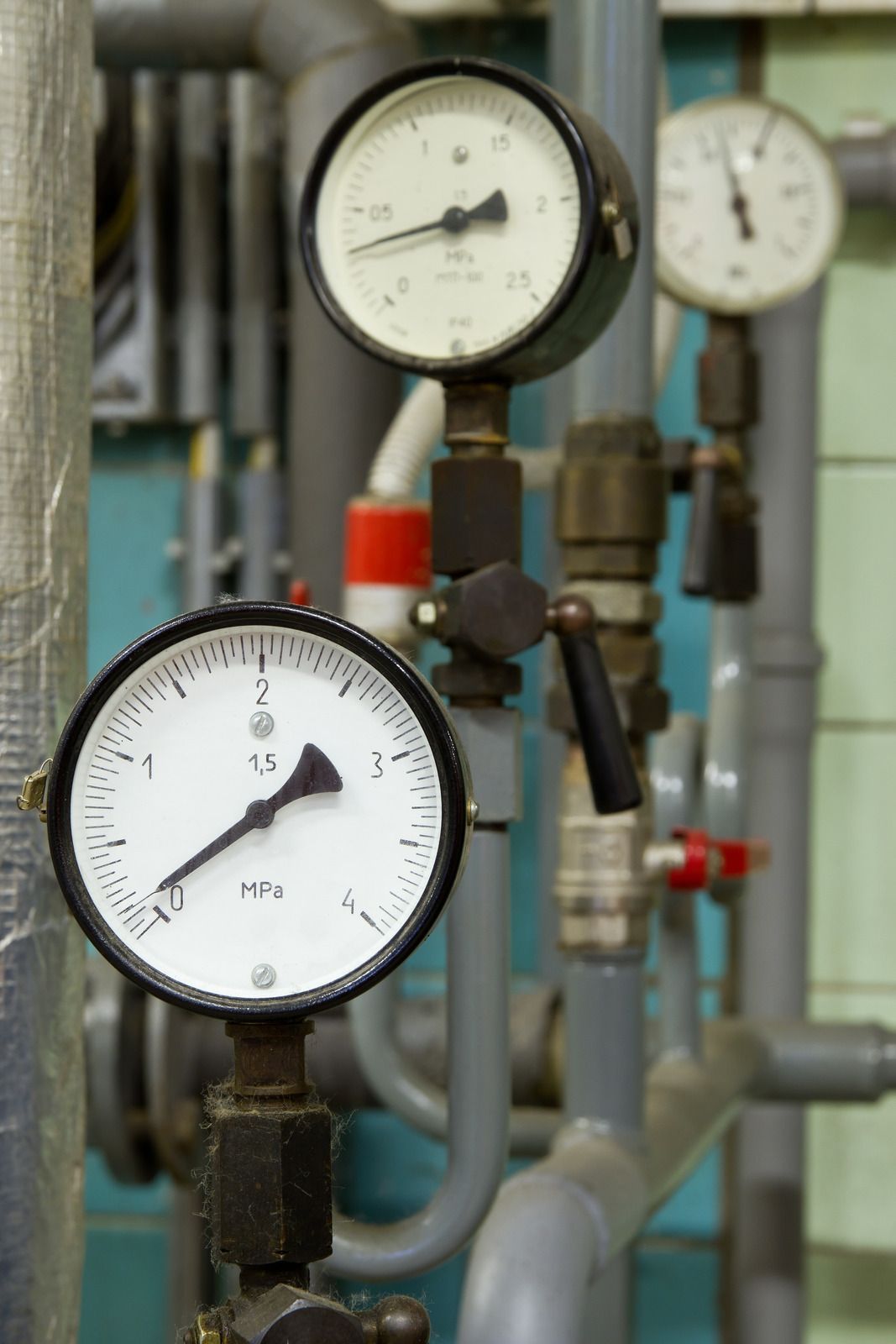
TIP: Photograph the pressure gauge and any leak before touching anything. That one image often tells us whether you have a quick fix or a failing body, and it can save a return trip.
How a Furnace Actually Produces Heat
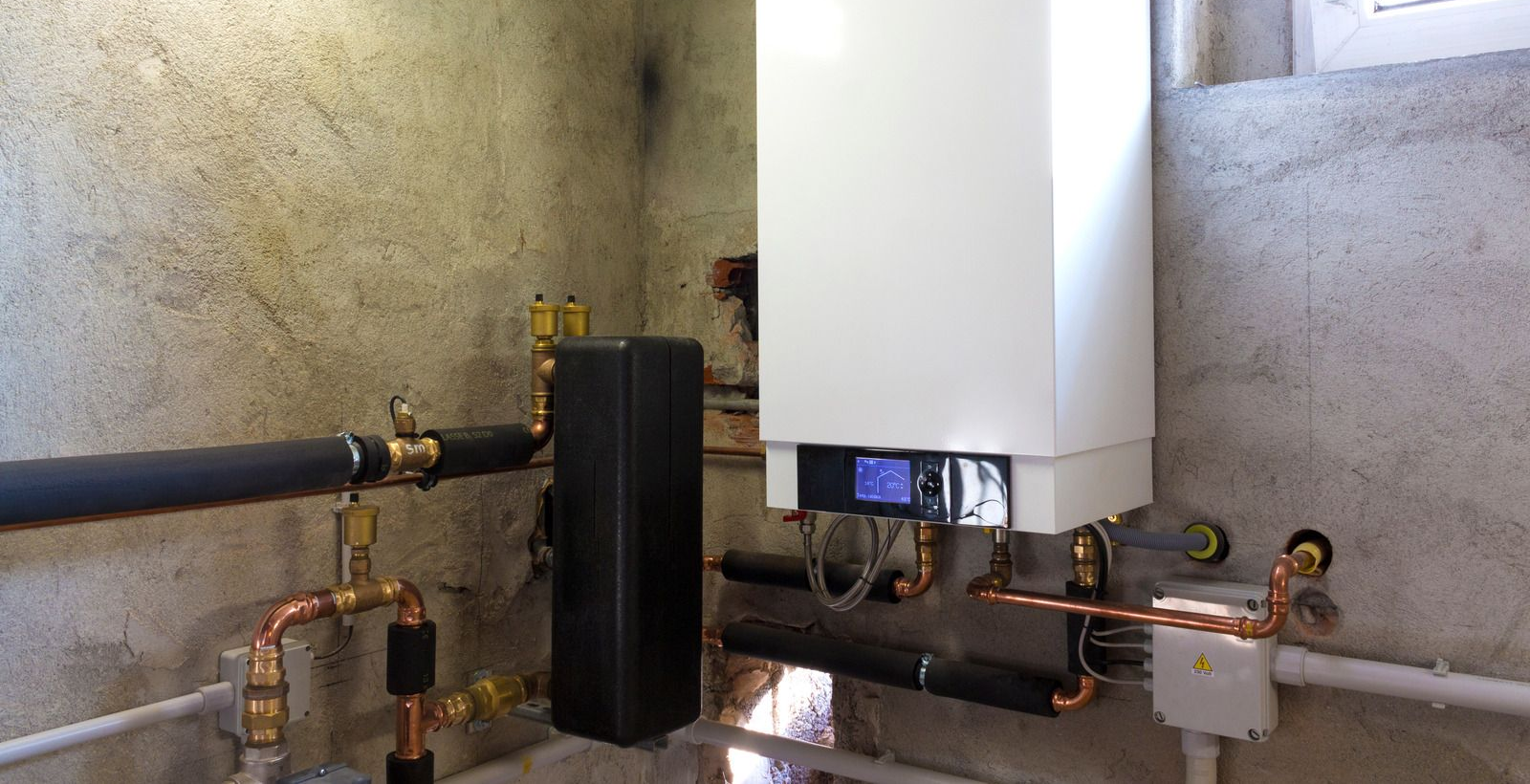
Before any repair-or-replace conversation makes sense, it helps to know what the equipment is doing. A gas furnace pulls in air, opens a gas valve, and lights the burners. Those burners heat a sealed metal chamber called the heat exchanger. Air from your home blows across the outside of that hot chamber, picks up the warmth, and the blower motor pushes it through the ducts to every room. The combustion gases stay trapped inside the exchanger and vent outside. That seal is the whole reason the exchanger's condition matters so much.
Each part of that sequence can break, and each break feels different. The igniter and flame sensor decide whether the burners light and stay lit. The blower motor decides whether warm air ever reaches the back bedrooms. The control board runs the timing of the entire cycle. So the symptom you notice, no heat, weak heat, or a system that won't stop kicking on and off, points a technician straight at the part that needs work.
Common Furnace Problems and What Repair Involves
Most service calls come down to a short list of failures. A real repair starts with real diagnostics, checking the burners, the heat exchanger, the electrical connections, the ignition, and the airflow, instead of swapping parts and hoping one sticks.
Ignition and burner faults
A furnace that clicks but never fires, starts late, or lights unevenly usually has a worn igniter, a dirty flame sensor, or a gas valve problem. The fix restores safe fuel delivery and a clean, steady light instead of the sputtering start you may have gotten used to.
Blower motor and airflow problems
The blower and its capacitor move heated air through the house. When the motor weakens or the capacitor gives out, you feel it as cold rooms far from the furnace, longer run times, and more wear on everything else. Repairing the motor, belt, or capacitor evens the temperatures back out.
Thermostat and control board issues
If the furnace short-cycles, ignores the set temperature, or acts erratic, the trouble often sits in the control board or the wiring between the thermostat and the furnace. Getting that communication right brings the heating cycle back under control.
Heat exchanger and safety concerns
A cracked or corroded heat exchanger is the failure no one should shrug off, because it can let combustion gases mix with the air you breathe. Checking the exchanger and the furnace's safety shutoffs is part of any thorough repair. Most homeowners never think about that component until it fails, and on an older unit a bad one shifts the talk toward replacement.
Once the cause is pinned down, most repairs wrap up within about an hour. That diagnostic step up front is what keeps you from paying twice for the same problem.
TIP: Before you call for service, check the simple things: confirm the thermostat is set to heat and above room temperature, make sure the furnace switch and breaker are on, and replace a clogged filter. A filter choked with dust is one of the most common reasons a furnace overheats and short-cycles, and it costs a few dollars to rule out.
TIP: Photograph the pressure gauge and any leak before touching anything. That one image often tells us whether you have a quick fix or a failing body, and it can save a return trip.
Deciding Between Repair and Replacement
Not every furnace is worth fixing, and the honest answer depends on more than tonight's breakdown. Age is the first marker. Most residential furnaces last 15 to 20 years, so once a unit crosses 15, a big repair is worth weighing against a new system that will run cleaner and steadier for the next two decades.
The repair pattern tells you just as much. One fix on a ten-year-old furnace is normal upkeep. Repeated failures across a couple of seasons, especially on pricey parts like the blower motor, control board, or heat exchanger, mean the system is wearing out as a whole. Climbing heating bills and rooms that never quite match are the quieter tells that a furnace has lost the efficiency it had when it was new.
A cracked heat exchanger usually settles the question by itself. It carries a safety risk, so patching around it isn't an option, and on an aging furnace the smart move is a full replacement rather than a costly repair to a unit already near the end of its life.
WARNING: If you ever notice a yellow or flickering burner flame instead of a crisp blue one, a persistent chemical or burning odor, or a carbon monoxide alarm sounding, shut the system down and get it inspected before running it again. These can indicate incomplete combustion or a compromised heat exchanger, and they are safety issues, not comfort ones.
WARNING: If you smell gas, see soot near the burner, or your carbon monoxide alarm sounds, stop, leave the house, and call for emergency service. A cracked heat exchanger or bad combustion can push carbon monoxide into your living space.
TIP: Photograph the pressure gauge and any leak before touching anything. That one image often tells us whether you have a quick fix or a failing body, and it can save a return trip.
What a Proper Furnace Installation Involves
When replacement is the right call, the install itself decides how well the new furnace performs for years. Drop a unit in without planning and it can short-cycle, heat unevenly, and burn out early, even when the equipment is top-quality.
Sizing and load calculation
The first real step is a load calculation built on the home's square footage, insulation, windows, and layout. An oversized furnace heats in short bursts and cycles far too often. An undersized one runs flat out and still comes up short on the coldest nights. In Macomb County, where winter is long and genuinely cold, correct sizing is what buys steady comfort without wasted fuel.
Equipment selection
Picking the unit means matching efficiency, capacity, and features to the actual house. Variable-speed blowers and modern controls can improve comfort and cut noise, but the right choice hangs on your ductwork and how you live in the home, not on grabbing the biggest or most loaded model on the shelf.
Venting, fuel, and connections
A safe install includes proper venting, secure gas connections, and correct electrical work. High-efficiency condensing furnaces add one more step: routing the condensate drain, since these units make water as they wring extra heat out of the exhaust.
Ductwork evaluation
New equipment tied to leaky or undersized ducts can't hit its rating. A careful install inspects the existing ductwork for leaks and restrictions and deals with them, so the air the furnace heats actually lands in the rooms it's meant for.
Commissioning and testing
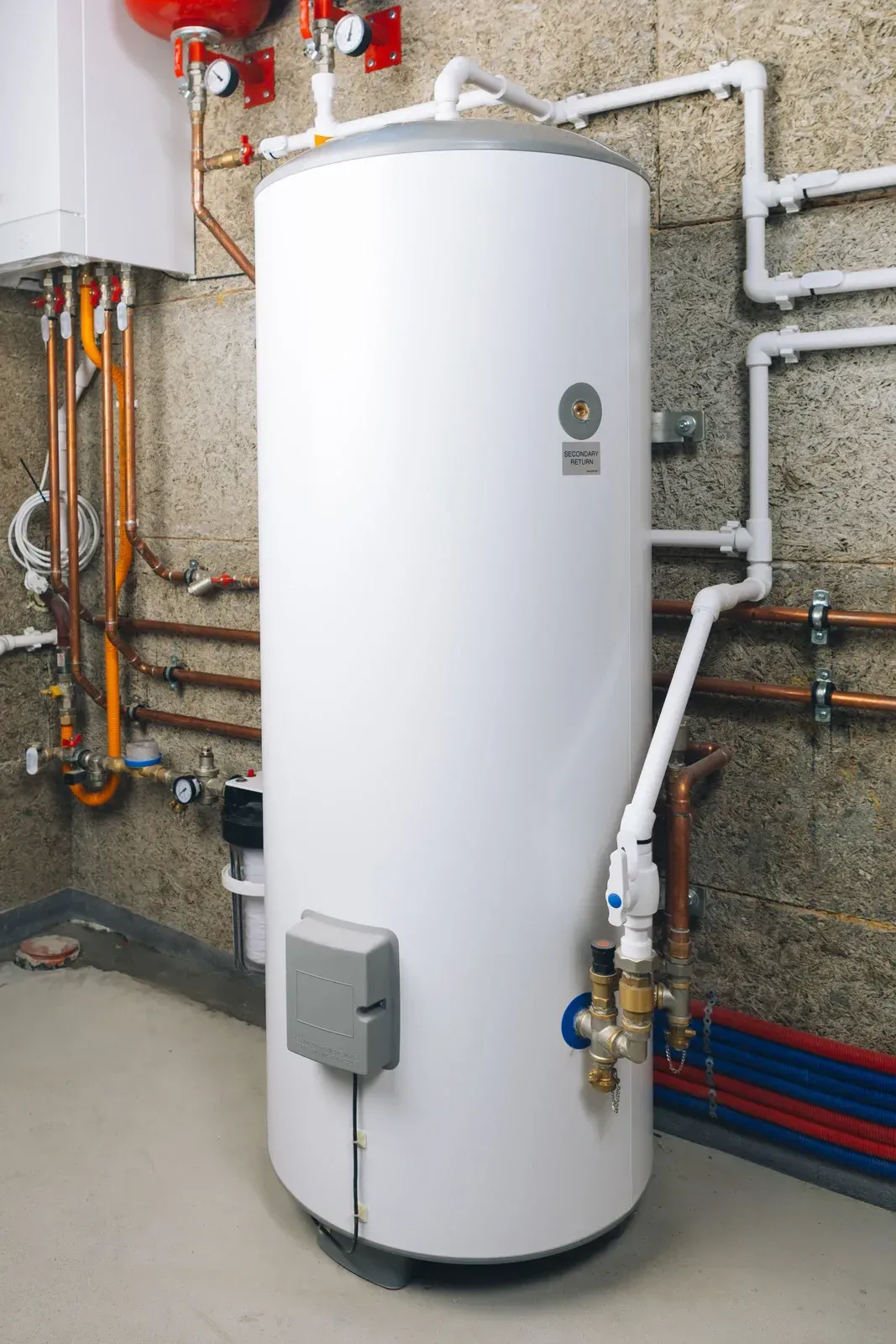
The last step is checking airflow, temperature output, and safety controls before anyone calls the job done. A full furnace and system install usually finishes within a day, and a bigger replacement that touches ductwork can run one to two days.
WARNING: If you smell gas, see soot near the burner, or your carbon monoxide alarm sounds, stop, leave the house, and call for emergency service. A cracked heat exchanger or bad combustion can push carbon monoxide into your living space.
TIP: Photograph the pressure gauge and any leak before touching anything. That one image often tells us whether you have a quick fix or a failing body, and it can save a return trip.
What AFUE Means When You Choose a New Furnace
Efficiency ratings decide how much of the fuel you pay for actually turns into heat. The number to watch is AFUE, or Annual Fuel Utilization Efficiency, the share of fuel a furnace converts to usable heat across a season. An 80% AFUE furnace turns 80 cents of every fuel dollar into warmth and sends the rest up the flue.
Federal rules require new gas furnaces to hit at least 80% AFUE. High-efficiency condensing furnaces, which grab heat that would otherwise vanish in the exhaust, run 90% AFUE and up, with the best models reaching into the mid-to-high 90s. In a climate where the furnace runs for months straight, the gap between an 80% and a 95% unit shows up on every heating bill. That is why efficiency belongs right next to upfront price when you weigh a new system.
Frequently Asked Questions
How long does a furnace repair usually take?
Most repairs finish within about an hour once the cause is found. It can run longer if a part must be ordered or a second issue turns up. Accurate diagnostics upfront keep one repair from becoming three visits.
When should I replace my furnace instead of repairing it?
Replacement usually makes sense once a furnace is 15 to 20 years old, needs frequent repairs, or can't hold temperature. A cracked heat exchanger is often the deciding factor. A technician weighs repair cost against age and condition.
How long does a new furnace installation take?
A standard furnace or system install generally finishes within a day. Ductwork repairs or a larger replacement can push it to one to two days. Timeline depends on the existing setup, equipment, and any duct or venting work needed.
What size furnace do I need for my home?
The right size comes from a load calculation, not a guess. That math weighs square footage, insulation, window area, and layout. An oversized furnace short-cycles and wears out early; an undersized one struggles on the coldest nights.
Is a high-efficiency furnace worth it in Michigan?
With long, cold winters, a furnace runs much of the year, so efficiency differences add up fast. Moving from 80% AFUE to 90%-plus means more fuel becomes heat, not exhaust. Efficiency carries real weight in a heating-heavy climate.
Why does my furnace keep shutting off before the house warms up?
That's short-cycling, caused by a clogged filter, an oversized furnace, a failing flame sensor, or a control-board fault. Check the filter first since it's easiest to rule out. Remaining causes are usually electrical and need a technician.
WARNING: If you smell gas, see soot near the burner, or your carbon monoxide alarm sounds, stop, leave the house, and call for emergency service. A cracked heat exchanger or bad combustion can push carbon monoxide into your living space.
TIP: Photograph the pressure gauge and any leak before touching anything. That one image often tells us whether you have a quick fix or a failing body, and it can save a return trip.
Heat You Can Count On Through a Michigan Winter
Squeezing a few more good years out of a working furnace and putting in a system built to last two decades come down to the same fundamentals: an accurate diagnosis, honest advice on repair versus replacement, and install work done to spec. Get the sizing, the venting, and the ductwork right, and the furnace holds a home evenly warm through the coldest stretch of the year without burning more fuel than it should. Skip any one of them and you feel it in the cold rooms and the bills, usually at the worst possible time.
Schedule a furnace evaluation before the next cold snap — a technician diagnoses the real cause of a heating problem, gives you a clear picture of whether repair or replacement is the smarter move, and sizes and installs a new system to fit your home when it is time. North Wind Heating & Air Conditioning, Inc, based in Clinton Township, Michigan, brings more than 35
years of experience, is licensed and insured, and handles furnaces, boilers, full HVAC systems, and indoor air quality with fair, transparent pricing.