It is the coldest week of the year, you wake to a house that never warmed back up, and the boiler downstairs is either silent or rumbling like something is loose inside it. You spot a thin puddle near the base, and the pressure gauge is sitting somewhere it never used to. Standing there in the cold, you are weighing one question: fix it or replace it?
Here is what matters most before you do anything. If your boiler is younger than about 12 to 15 years and one part has failed, a repair is almost always right. If it is older, leaking from the body itself, or showing any sign of a cracked heat exchanger, replacement is the safer and more efficient path. We have walked into hundreds of cold basements on mornings like this, and the call comes down to three things: how old the unit is, what actually broke, and whether it is still safe to run.
Start Here Before You Decide
A few minutes of checking narrows the problem fast and keeps a small issue from flooding your floor.
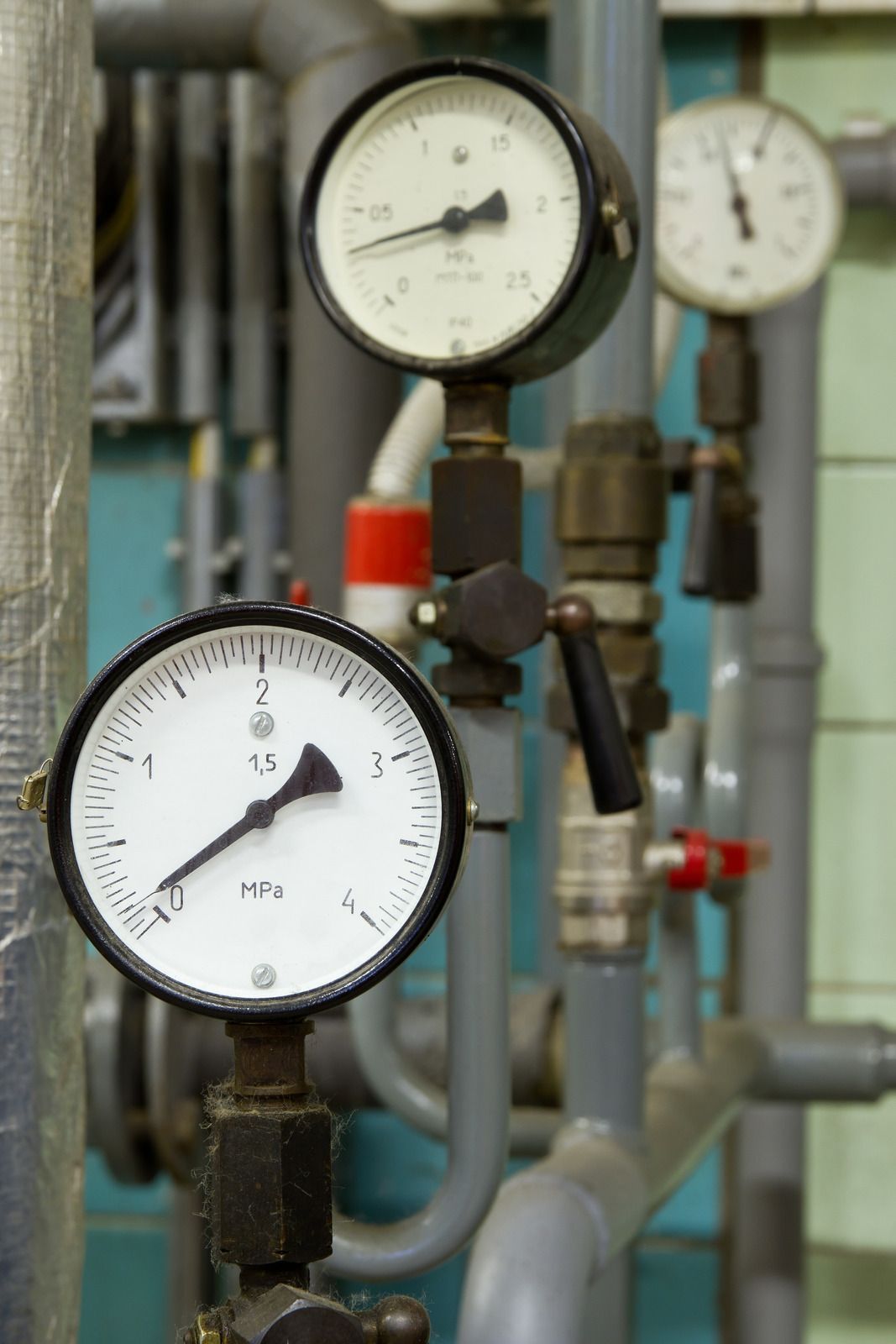
- Read the pressure gauge. A cold system should sit near 12 psi. Near zero or above 30 points to a specific failure.
- Trace any water back to its source. A drip from a fitting is minor. Water under the boiler body is not.
- Listen. Banging or kettling usually means mineral scale. A silent unit that will not fire points to ignition, the circulator pump, or a safety control.
- Feel your radiators. Cold zones with the boiler running often mean a stuck pump or an airlocked line, not a dead boiler.
WARNING: If you smell gas, see soot near the burner, or your carbon monoxide alarm sounds, stop, leave the house, and call for emergency service. A cracked heat exchanger or bad combustion can push carbon monoxide into your living space.
TIP: Photograph the pressure gauge and any leak before touching anything. That one image often tells us whether you have a quick fix or a failing body, and it can save a return trip.
What Is Actually Going Wrong Inside Your Boiler
Most no heat and noisy boiler calls trace to a handful of failures, and which one you have changes the repair or replace answer.
The most common is a worn circulator pump. It pushes heated water through your loops, and after years of running its bearings wear or the motor seizes. The boiler fires fine, but rooms stay cold. Usually a contained repair.
Next is mineral scale on the heat exchanger, the cause of that loud kettling. Hard water leaves a chalky layer that traps heat until the water flashes to steam and rattles the unit. Left alone, scale slowly cooks the metal.
Low pressure and slow leaks follow. A weeping relief valve, a tired expansion tank, or a pinhole fitting lets water escape until the system cannot circulate.
The serious one is a cracked heat exchanger or corroded body. Years of heating and cooling stress the metal, and our long cold season means a boiler here runs far more hours than one in a milder climate. Once the body leaks, you are past repair.
How We Diagnose a Failing Boiler
A real diagnosis starts with a walk around the unit to read pressure, temperature, and any staining, then follows a set order so nothing slips by.
On gas units we check combustion first, using an analyzer to read flue gas and confirm the burner fires clean and vents properly. We test the circulator by reading temperature across the supply and return lines, which shows whether water is moving. Then we scope the heat exchanger for cracks, scale, and corrosion. On service calls we frequently find scale driving complaints owners blamed on the thermostat. Last, we test the relief valve, expansion tank, and low water cutoff, since a failed safety control is a common reason a healthy boiler will not start.
Boiler Repair vs Boiler Replacement: Reading the Signs
The honest version of the
boiler repair vs boiler replacement question: sometimes a repair holds for years, and sometimes it masks a failure already underway. Here is how to tell them apart.
| Factor | Lean Toward Repair | Lean Toward Replacement |
|---|---|---|
| Age | Under 12 to 15 years | Over 15 years |
| What failed | One part, like a pump | The heat exchanger or body |
| Efficiency | Heats evenly | Long runtimes, uneven heat |
| History | First real issue | Repeated repairs each season |
| Safety | No combustion concerns | Cracks, soot, or carbon monoxide |
A unit under 15 years with one failed part is almost always worth repairing. Once it crosses 15 years, runs constantly, and needs fixing every season, repeated repairs stop making sense. Older boilers also run far less efficiently than newer condensing models, burning more fuel through our long season for less comfort. And any sign of a cracked heat exchanger ends the debate, because that is a safety issue we recommend against running.
Why Boilers Work Harder in Our Climate
Boilers here face a longer, harder heating season than the national average, and that shapes nearly every failure we see. A unit may run from October into April, racking up far more operating hours a year and more wear on the pump, burner, and heat exchanger.
Hard water is the other regional factor. The mineral heavy water common across our area leaves scale faster than soft water would, which is why kettling complaints climb every winter. Long deep cold also raises the risk of a frozen line if a boiler quits, since pipes can drop below freezing within hours. A maintenance habit that is optional elsewhere is closer to essential here.
Keeping Your Boiler Healthy Longer
Monthly, glance at the pressure gauge and the floor under the boiler so you catch a slow leak early, and listen for new banging.
Quarterly through winter, bleed radiators that run cool at the top and confirm your carbon monoxide alarm works.
Annually, before the cold sets in, have us flush sediment, check combustion, test safety controls, and treat scale before it hardens. In our hard water area, that yearly descaling does more to extend boiler life than anything else.
Long term, if your unit is nearing 15 years, plan a replacement on your own terms rather than during a January failure.
Mistakes We See Every Winter
The most common is topping off pressure again and again. When a gauge keeps dropping, adding water feels logical, but every refill introduces fresh oxygen that speeds corrosion and hides the real leak. Find the leak instead.
Another is ignoring kettling because the boiler still makes heat. That banging is scale cooking your heat exchanger, and the longer it runs, the closer that part moves to failure.
The last is running a boiler after a carbon monoxide alarm or a gas smell because the house is cold and help feels far off. No amount of cold is worth that risk. Shut it down and have it looked at.
Frequently Asked Questions
How long should a boiler last?
With yearly service, most boilers run 15 to 20 years. In our hard water and long winter conditions, scale and heavy runtime can shorten that, which is why annual descaling and a combustion check matter so much.
Is a noisy boiler dangerous?
Banging or kettling is usually mineral scale, not an immediate danger, but it stresses the heat exchanger over time. A rumble paired with soot, a gas smell, or a carbon monoxide alarm is urgent. Shut it down and call.
Can I fix a leaking boiler myself?
You can tighten a loose fitting or bleed a radiator safely. A leak from the boiler body, a weeping relief valve, or anything near the burner needs a professional, since those point to pressure, combustion, or a cracked section.
Why does my boiler keep losing pressure?
A gauge that keeps falling usually means a slow leak, a tired expansion tank, or a relief valve passing water. Refilling repeatedly only hides the source and feeds corrosion. We trace the cause rather than chase the symptom.
When is replacement smarter than repair?
Once a boiler passes 15 years, needs repairs every season, runs constantly, or shows a cracked heat exchanger, replacement usually wins. A newer unit also heats more efficiently through our long season, giving you steadier warmth.
Skilled Technicians for Boiler Repair and Replacement Decisions
The whole decision comes down to one principle: age, plus what actually failed, plus safety tells you whether to repair or replace, and a cracked heat exchanger always ends the debate. That choice carries more weight here than almost anywhere, because our long heating season and mineral heavy water push boilers harder and wear them faster than the national average.
For 35+ years, North Wind Heating & Air Conditioning, Inc
has kept homes warm across Clinton Township, Michigan. If your boiler is leaking, banging, or struggling to keep up, schedule a diagnostic with us and get a straight answer on whether a repair will hold or a replacement is the smarter move before the next deep freeze arrives.