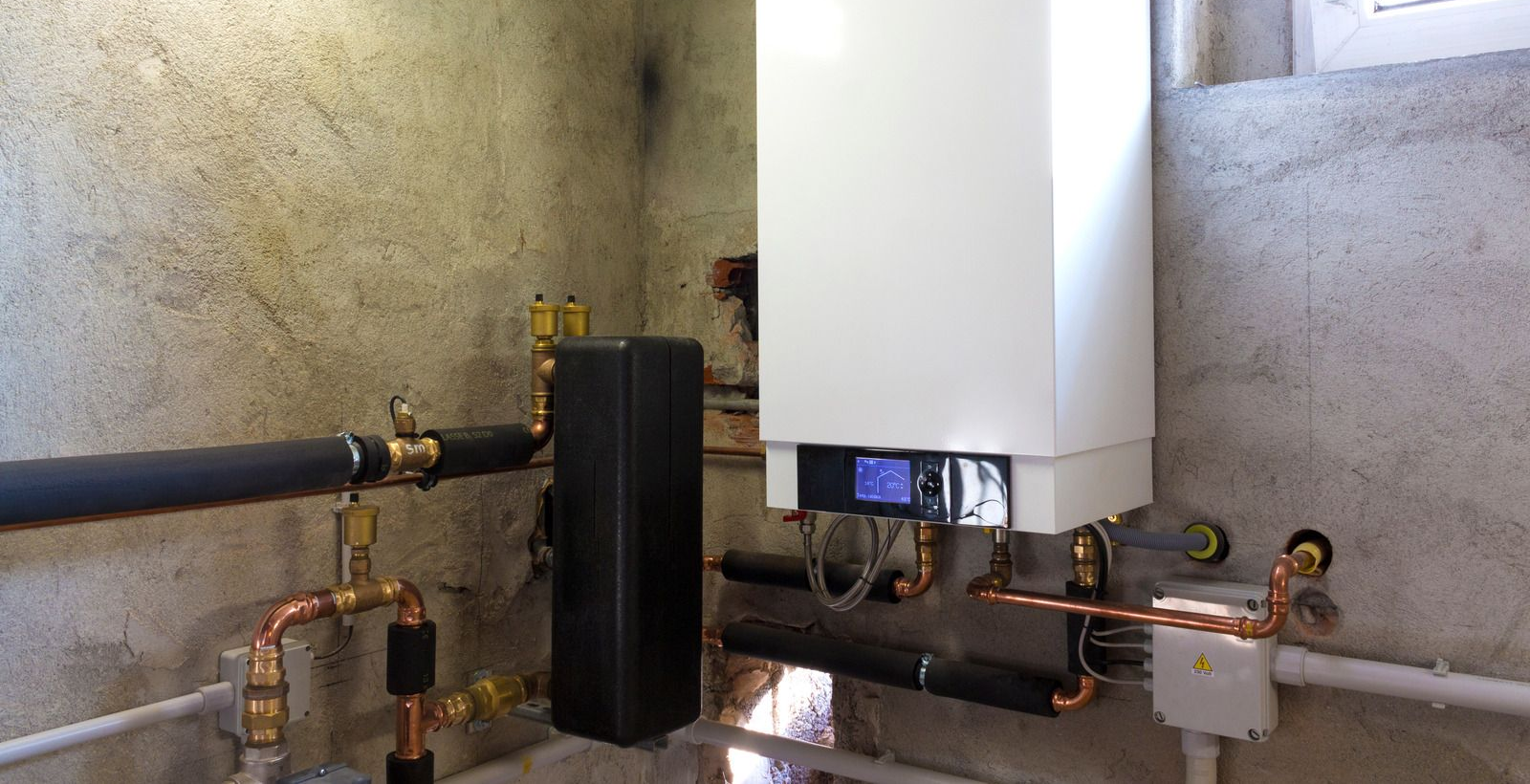
A residential boiler plays a critical role in maintaining indoor comfort, especially during colder months when dependable heating and hot water become essential for daily living. Many homeowners rely on boilers every day without considering the warning signs that indicate developing mechanical issues. Minor performance problems often appear harmless at first, but unresolved boiler concerns can quickly lead to expensive repairs, reduced energy efficiency, water damage, or complete heating system failure. Understanding the most common boiler problems helps homeowners respond early before small issues become serious disruptions that affect safety, comfort, and long-term system performance throughout the property.
Modern heating systems are designed for durability, but boilers still experience wear from age, pressure fluctuations, mineral buildup, neglected maintenance, and constant operation during peak seasons. Strange noises, inconsistent heating, leaking water, low pressure, or unusual odors should never be ignored because these symptoms often point to underlying mechanical or safety concerns. Regular inspections and prompt professional service help extend equipment lifespan while reducing unexpected breakdowns and costly emergency repairs. By learning how to identify common boiler problems early, homeowners can protect their investment, improve energy efficiency, and maintain reliable heating performance throughout the year without unnecessary stress or inconvenience.
Unusual Boiler Noises Often Signal Internal Problems
Banging, Whistling, And Gurgling Sounds
One of the most common signs of boiler trouble is unusual noise coming from the heating system. Boilers normally produce low operational sounds, but loud banging, whistling, vibrating, or gurgling noises often indicate developing mechanical problems that require immediate attention. Ignoring these warning signs can eventually lead to severe internal damage or system failure.
Banging noises frequently result from trapped air, mineral buildup, or overheating water inside the heat exchanger. In areas with hard water, limescale accumulation restricts water flow and causes overheating within the system. This condition, commonly known as kettling, increases strain on internal components and reduces heating efficiency.
Whistling sounds may point to pressure irregularities or restricted water circulation. Gurgling noises often suggest air trapped inside pipes or radiators, which can prevent even heat distribution throughout the home. When left unresolved, these problems may worsen and affect overall system reliability.
Why Immediate Repairs Matter
Unusual boiler sounds rarely disappear without professional service. Delaying repairs may increase energy consumption, place unnecessary stress on internal parts, and shorten equipment lifespan. Early inspections help identify the exact cause before costly repairs become necessary.
Professional maintenance can also improve heating efficiency by removing scale buildup, balancing pressure levels, and restoring proper circulation. Homeowners who respond quickly to strange noises often avoid larger mechanical failures during peak winter months when heating demand is highest.
Boiler Leaks Can Cause Structural And Mechanical Damage
Common Causes Of Boiler Leaks
Water leaking from a boiler should never be considered normal. Even small leaks may indicate failing internal components or pressure-related problems that can eventually affect both the heating system and surrounding property areas. Boiler leaks commonly develop because of corroded pipes, damaged seals, broken pressure valves, or worn pump connections.
Corrosion is one of the leading causes of boiler leaks, especially in aging systems that experience years of exposure to water and fluctuating temperatures. Over time, metal components weaken and develop small cracks that allow water to escape. High boiler pressure can also force water through vulnerable joints or valves.
In some cases, leaking occurs because of poor installation practices or neglected maintenance. Minor drips may appear harmless initially, but ongoing moisture exposure can damage flooring, drywall, insulation, and nearby structural materials.
Risks Associated With Water Damage
Ignoring a leaking boiler can create far more than heating issues. Water damage often contributes to mold growth, weakened building materials, and electrical hazards inside the home. Prolonged moisture exposure may also increase repair costs significantly.
Leaks can additionally reduce boiler pressure, causing the system to lose heating efficiency or stop functioning entirely. Homeowners who notice puddles, damp walls, rust stains, or recurring pressure drops should arrange professional service immediately to prevent larger complications.
Routine inspections help identify worn parts before leaks become severe. Replacing damaged valves, seals, or corroded components early helps maintain system integrity and reduces the likelihood of emergency breakdowns during colder seasons.
Low Boiler Pressure Reduces Heating Performance
Warning Signs Of Pressure Problems
Maintaining Proper Boiler Pressure
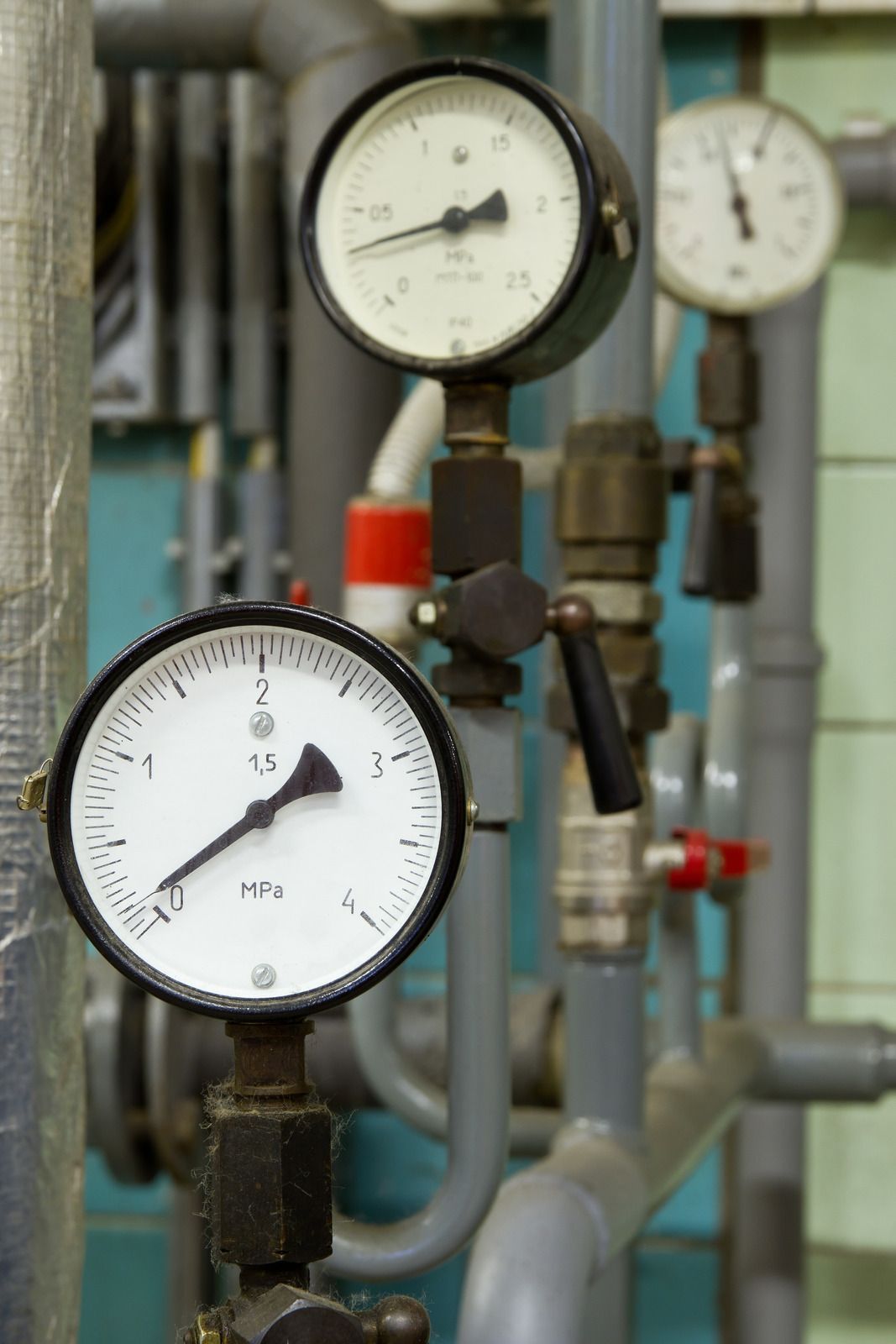
Restoring boiler pressure without identifying the root cause only provides temporary relief. Professional technicians inspect the entire system to locate hidden leaks, faulty valves, or damaged expansion vessels contributing to the problem.
Preventative maintenance helps maintain stable pressure levels while supporting long-term system efficiency. Regular inspections also reduce the risk of unexpected heating disruptions during colder weather when reliable boiler operation becomes essential for household comfort.
Homeowners should avoid repeatedly refilling pressure without professional guidance because overpressurizing the system may damage sensitive components or trigger additional leaks. Monitoring pressure regularly and responding quickly to unusual changes helps protect the entire heating system from avoidable damage.
Pilot Light And Ignition Failures Should Never Be Ignored
Causes Of Ignition Problems
A boiler that repeatedly loses its pilot light or fails to ignite properly often signals serious operational concerns. Ignition problems can prevent the system from producing heat or hot water, leaving homeowners vulnerable during cold weather conditions.
Several issues may contribute to ignition failure, including faulty thermocouples, gas supply interruptions, damaged ignition leads, clogged burners, or debris buildup within internal components. In older systems, worn mechanical parts may struggle to maintain stable ignition performance after years of regular operation.
Drafts and ventilation issues can also extinguish pilot lights unexpectedly. While some homeowners attempt quick restarts, recurring ignition failures usually indicate deeper system problems that require professional diagnosis.
Safety Concerns Related To Gas Boilers
Gas-powered boilers demand immediate attention when ignition issues appear because fuel-related problems may create safety risks inside the property. Unusual smells, inconsistent flames, or repeated shutdowns should never be ignored.
A healthy pilot flame typically burns blue. Yellow or orange flames may indicate incomplete combustion or ventilation concerns that could affect indoor air quality. Homeowners experiencing these symptoms should stop using the system until qualified technicians complete a full inspection.
Routine servicing helps maintain burner cleanliness, verify gas flow stability, and confirm safe ignition operation. Preventative inspections also reduce the likelihood of unexpected shutdowns during winter when dependable heating becomes critical for daily living.
Frozen Condensate Pipes Can Shut Down Boilers
Why Condensate Pipes Freeze
Condensing boilers produce acidic wastewater that exits the system through a condensate pipe. During extremely cold weather, this pipe can freeze and block normal drainage. When freezing occurs, the boiler may automatically shut down as a protective measure.
Frozen condensate pipes are particularly common when external pipe sections remain exposed to low temperatures without insulation. Homeowners may notice gurgling sounds, warning lights, or complete system shutdowns during freezing weather conditions.
Although some homeowners attempt temporary thawing methods, recurring freezing problems often indicate poor pipe placement or insufficient insulation around vulnerable areas.
Preventing Winter Boiler Shutdowns
Professional solutions for frozen condensate pipes typically include improved insulation, pipe rerouting, or installation adjustments designed to reduce exposure to freezing temperatures. Addressing these issues before winter arrives helps prevent inconvenient heating interruptions during the coldest parts of the year.
Regular maintenance inspections also help technicians identify drainage vulnerabilities before freezing conditions create emergency service situations. Homeowners who proactively prepare heating systems for winter usually experience fewer disruptions and lower repair costs throughout the season.
Boiler shutdowns caused by frozen condensate pipes may appear minor initially, but repeated freezing can place additional stress on internal components and increase wear on the heating system over time.
Experienced Boiler Specialists Delivering Reliable Heating Solutions
Boiler problems rarely improve without professional attention, and ignoring early warning signs often leads to larger repairs, higher energy costs, and inconvenient heating failures. Strange noises, leaking water, pressure loss, ignition issues, frozen condensate pipes, and uneven radiator performance all indicate conditions that deserve immediate evaluation. Homeowners who invest in regular boiler inspections and timely repairs protect system efficiency, improve indoor comfort, and reduce the risk of emergency breakdowns during colder seasons. Preventative maintenance also extends equipment lifespan while helping heating systems operate more safely and reliably throughout the year.
At North Wind Heating & Air Conditioning, Inc, we continue providing trusted heating and cooling services for homeowners seeking dependable solutions for residential comfort systems. Serving Clinton Township, Michigan for more than 35
years, we understand the importance of responsive service, accurate diagnostics, and long-term heating reliability. Our experience with boiler maintenance, repairs, inspections, and system performance evaluations allows us to help homeowners address heating concerns before they become major disruptions. We focus on honest recommendations, detailed workmanship, and professional care designed to support safe and reliable indoor comfort.